
Hotel technology ROI should start with a simple question: what will this investment actually do for the property? Hotel owners already face higher labor costs, insurance, taxes, maintenance expenses, and brand requirements. Every new technology initiative competes for capital, which means owners need a stronger reason to spend than “this is the latest standard.”
At Ameritech, we see technology through the same lens we use as hotel owners. If a solution requires capital, configuration, staff time, infrastructure, and ongoing support, the conversation needs to include the full operational impact.
Start With the Total Cost
The purchase price rarely tells the whole story. A technology upgrade can involve hardware, network changes, configuration, installation, training, ongoing service, and future maintenance. Owners need to understand those costs before comparing the investment with the expected benefit.
That is especially important when a technology requirement comes through a brand standard. Compliance matters, but owners still need visibility into what implementation means at the property level.
Ask How Much Guests Will Actually Use It
Availability and value are different measurements. Hotel technology can look good on a specification sheet while seeing limited guest use. Owners should ask what adoption looks like, how usage will be measured, and what happens if actual behavior falls below expectations.
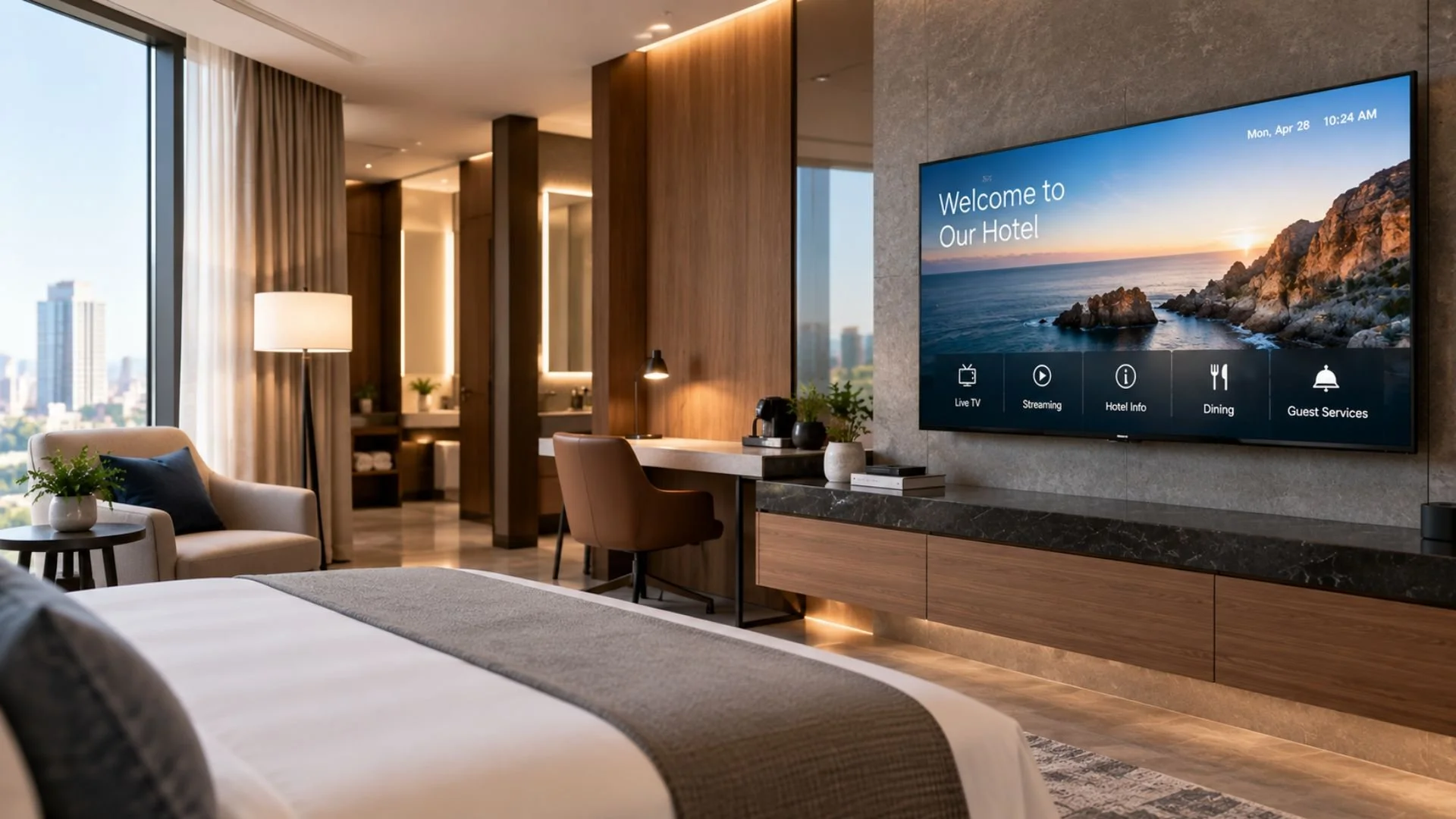
Ameritech has already discussed this issue with smart TVs. As these systems become common, installation alone tells owners very little. Performance, adoption, reliability, and the guest experience become better measures of value.
Measure Labor and Operating Impact
Technology can also create value away from the guestroom. Consider an owner reviewing night-audit information across several hotels. Better analysis can expose small operating patterns, such as room assignments that create extra housekeeping movement across multiple floors. Those details matter because operational savings accumulate.
The same thinking applies to centrally managed room controls, preventive maintenance systems, remote device management, and other tools that give property teams better information or reduce repetitive work.
Put Cost Savings on Equal Footing With Revenue
Hospitality technology conversations often focus on generating revenue. Owners should give equal attention to reducing operating expense.
Saving labor hours, reducing utility waste, preventing maintenance problems, or removing unnecessary hardware can produce direct financial value. For properties facing pressure on margins, those savings can carry as much weight as another revenue feature.
That leads to Ameritech’s test for hotel technology ROI:
Will it make money, save money, reduce waste, simplify operations, or produce a measurable improvement for the guest?
If the answer remains unclear, the technology needs a stronger business case. Hotel owners do not need technology for technology’s sake. They need investments that make sense after installation, when the invoices arrive and the property team has to live with the decision.
That owner-operator perspective shapes how Ameritech approaches hospitality technology. We start with what the property needs the technology to accomplish, then work backward toward the right solution.
Planning a hotel technology investment? Talk to us! We’ll help you evaluate the options and identify the right fit for your hotel.