
How Hotel Direct View LED Displays Can Support Event Revenue
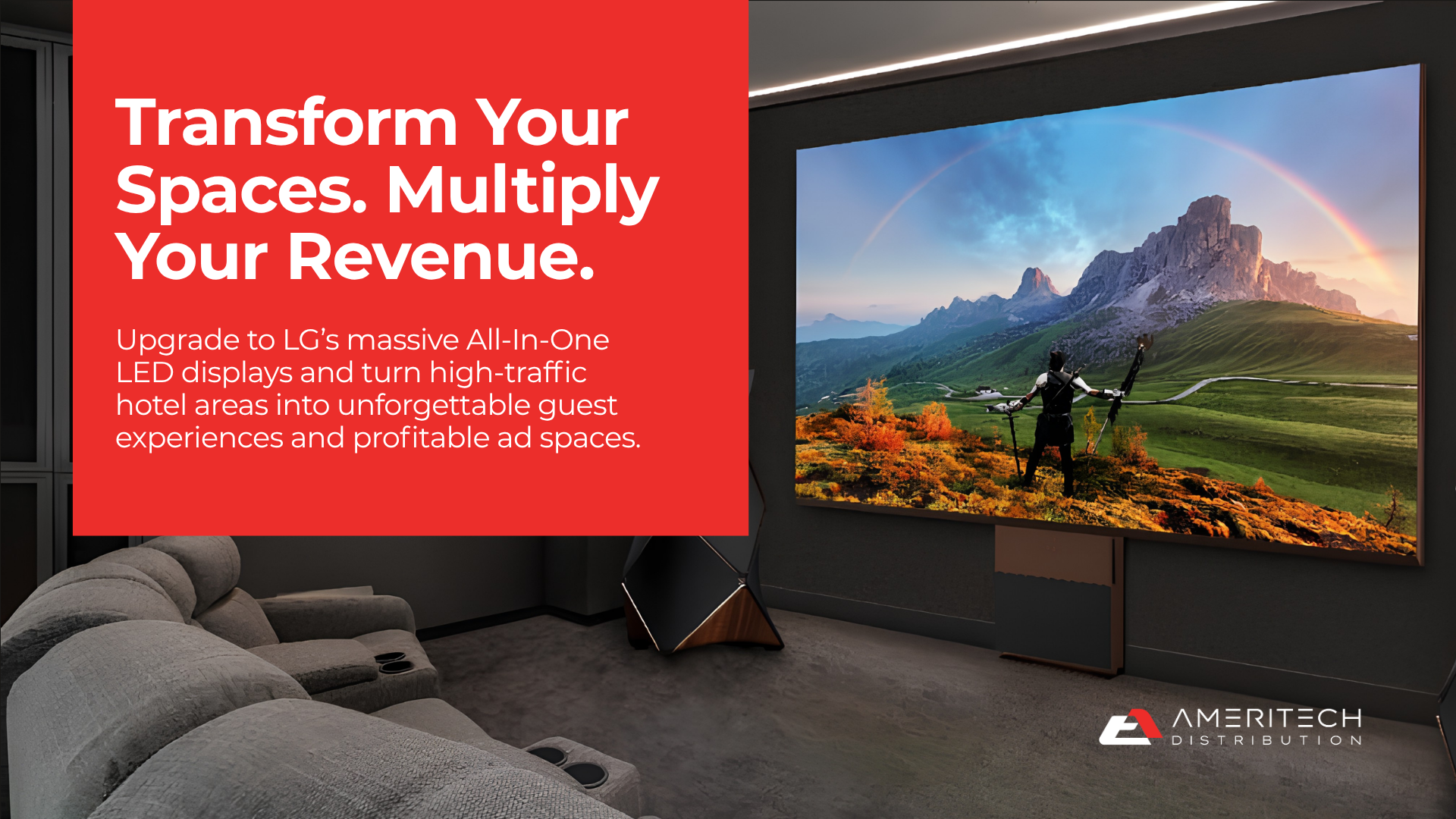
Hotel DVLED displays can help properties compete for meetings, private events, watch parties, and group business. A large screen gives planners a visible feature they can use for presentations, live broadcasts, branded content, and event programming. It also gives hotels a practical reason to review display technology in spaces that already contribute to revenue.
Current LG offers may reduce some of the cost and coordination barriers that often delay these projects. The stronger business case starts with how the display will support the space after installation.
Make Meeting Spaces Easier to Sell
Meeting planners need technology that suits the event format. A corporate session may require presentations and video playback, while a reception may use sponsor graphics, schedules, or branded content.
LG All-in-One DVLED displays combine a large-format screen, controller, and built-in speakers in one package. Available configurations include 136-inch and 163-inch models suited to conference rooms, ballrooms, gathering areas, and other hotel event spaces.
This setup gives sales teams a clear feature to include in event proposals. It can also reduce reliance on temporary screens for events that need a permanent, large-format display.
Put Underused Public Areas to Work
DVLED also has a role outside formal meeting rooms. Hotels can use large displays in lobbies, restaurants, sports bars, and shared gathering areas for event schedules, property messaging, live sports, and private programming.
The value depends on the plan behind the screen. A display placed in a sports bar may support game-day traffic. One installed near a ballroom can direct attendees and carry event branding. A lobby display can switch between guest information and group-specific content throughout the day.
Hotels should define these uses before choosing a screen or installation location. That helps the property connect the investment to actual programming instead of treating it as a visual upgrade alone. LG’s hospitality display guide offers additional examples for lobby messaging, wayfinding, and conference reader boards.
Plan Installation Around the Event Calendar
A display cannot support event revenue until it is installed, configured, and ready for staff use. Hotels should schedule the project around booked functions and confirm room access, mounting, power, data connections, source inputs, and site responsibilities before work begins.
LG PRO Services provides installation support for All-in-One DVLED projects. A defined installation plan can reduce scheduling problems and help the hotel prepare the display for upcoming meetings, watch parties, and group events.
Before ordering, confirm:
What the installation scope includes
Which site preparations the hotel must complete
When the event space will be unavailable
Who will test the display and connected sources
Build the Revenue Plan Before Buying
The revenue case should identify how the hotel will use the display and how those uses will be measured. This keeps the purchase tied to event demand or other strategic reasoning factor instead of treating the screen as a general property upgrade.
Hotels can review current event inquiries, audiovisual requests, and programming plans to determine where a large-format display may add value. Useful measures include event bookings that require display access, audiovisual package revenue, private-viewing reservations, and food and beverage sales during programmed events.
If your hotel is reviewing meeting-room or public-area display technology, contact Ameritech to discuss available models, installation requirements, and the spaces the display needs to support.