
Getting In-Room Technology Right as Guest Expectations Keep Moving
Guests notice bad hotel tech fast.
A TV that will not cast. A confusing login screen. A room display that feels dated before they even unpack. These small friction points can shape how guests judge the entire stay, which is why in-room technology now carries more weight than many hotels realize.
That shift is the focus of a recent Hospitality Technology article by Jake Benner, Senior Director of Hospitality at LG Electronics USA. In the article, Benner explains how guest expectations are moving faster than many standard hotel tech baselines, especially as streaming and casting shift from “perks” to expected parts of the stay.
Four Ways to Get In-Room Technology Right
For hotel owners and operators, the takeaway is practical. Getting in-room technology right starts with choosing systems that work well for guests and make sense for the property team managing them.
1. Make the Experience Feel Familiar
The best hotel technology often feels simple because guests already know how to use it. They should not need extra instructions to watch content, access hotel information, or use the screen in the room.
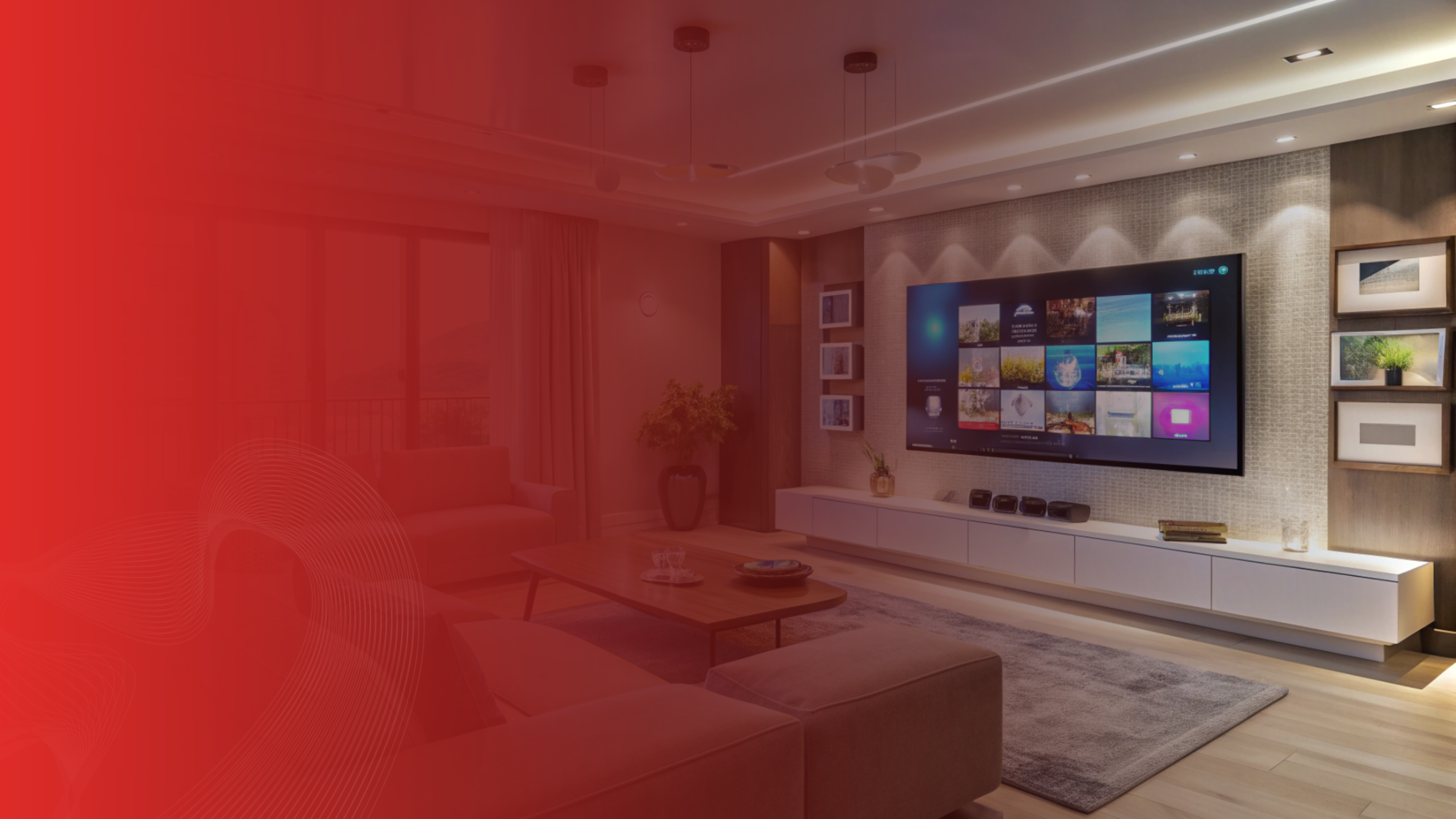
That is why the in-room TV now carries more responsibility. It has to support entertainment, brand messaging, property information, and a smoother guest experience. When the system feels familiar, the guest spends less time figuring it out and more time enjoying the stay.
2. Treat Streaming and Casting as Baseline Features
Guests travel with their own subscriptions, devices, and viewing habits. They expect to pick up where they left off at home.
That makes casting and streaming part of the new baseline for hotel rooms. The experience also needs to feel secure, with easy login, simple connection, and proper session clearing when the guest checks out. If guests hesitate to use it, the feature loses value.
3. Build Around the Property’s Real Infrastructure
Not every hotel has the same wiring, network, or upgrade timeline. Older assets can still meet modern expectations, but they need solutions that fit the building instead of forcing a full reset.
This is where planning matters. In-room technology should support the property’s current setup while giving ownership a path to scale over time. The goal is a smarter room experience without adding unnecessary pressure to operations.
4. Keep Operations Simple for Hotel Teams
Guest-facing technology only works well when the back-end experience also makes sense. Engineering and operations teams need systems they can manage without added complexity.
Remote management, reliable support, and cleaner deployment all matter. A stronger in-room technology plan should help staff reduce friction, respond faster, and keep rooms performing consistently.
What This Means for Hotel Owners
Benner’s article points to a larger reality across hospitality. The in-room experience now plays a direct role in how guests judge the value of a stay.
For owners planning upgrades, the conversation should go beyond screen size or basic replacement cycles. The better question is how the in-room TV supports comfort, connectivity, operations, and long-term guest satisfaction.
Ameritech works with hoteliers to bring hospitality-grade LG technology into guest rooms with the right products, planning, and support. For properties evaluating their next upgrade, the starting point is simple: choose in-room technology that works for guests and works for the team behind the property.
Contact us to learn more about hospitality TV solutions for your property.